
Major Projects
The Mortar Fails Before the Brick — Why Repointing Saves Old Valley Masonry
In a brick or stone home, the mortar is the sacrificial part, and valley winters eat it. Catch failing joints early and it's a repoint. Ignore them and water gets in and takes the wall itself.

The Anytime Hudson Field Desk
Hudson Valley Home-Services Team
May 30, 2026 · 7 min read
The Hudson Valley has stunning old masonry — brick homes, stone foundations, chimneys that have stood a century. And the thing people miss about masonry is that the brick or stone usually outlasts everything, but the mortar between it does not. Mortar is designed to be the softer, sacrificial layer, and eventually it needs renewing.
Renewing it is called repointing, and doing it on time is what separates a wall that lasts another century from one that comes apart.
Why the mortar goes first — and fast in our climate
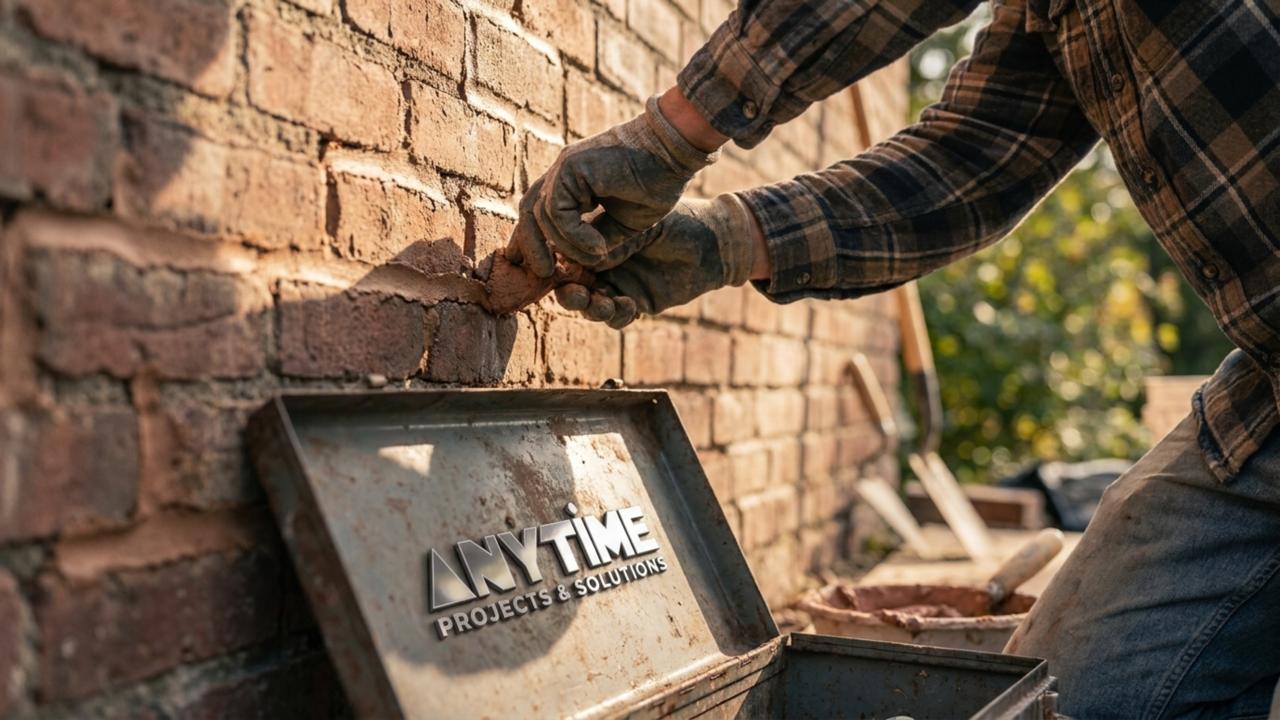
Mortar is intentionally softer than the masonry units so it can absorb movement and moisture instead of the brick cracking. Over decades it erodes, and here the freeze-thaw cycle accelerates it: water gets into a tiny gap, freezes, expands, opens the gap wider, and repeats every cold night.
Once the joints are recessed and crumbling, water flows into the wall freely — and now you're not losing mortar, you're losing bricks, and eventually the wall's integrity.
Included with Anytime Hudson
One membership. Every job on this list, handled.
Bronze, Silver, Gold, and Platinum members keep their homes on schedule with vetted Hudson Valley crews — services included or discounted, at rates locked for a full year.
How to spot joints that need attention
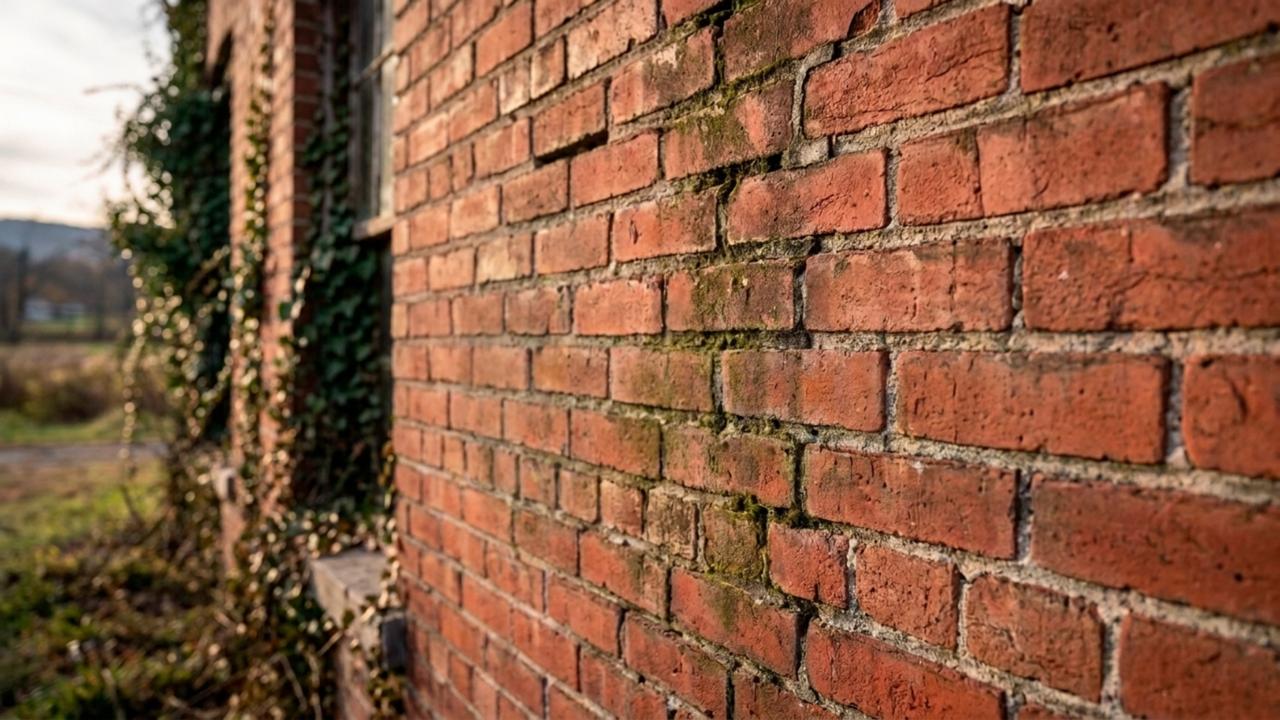
Look at the mortar lines. Sound joints are flush and solid. Failing joints are recessed, cracked, or you can rake loose sandy mortar out with a key or a screwdriver. Missing chunks, and brick faces that are spalling — flaking or popping off — mean water has already been getting in.
On a chimney, this matters double: a deteriorating crown or joints let water into the flue and the structure, and that's both a leak and a safety issue.
Why matching the mortar matters
This is where cheap masonry work does real harm: using a hard, modern Portland-heavy mortar on a soft old brick. The new mortar is now harder than the brick, so instead of the mortar taking the movement and moisture, the brick does — and the brick faces spall and destroy themselves.
Old valley masonry needs a mortar matched in softness and often in lime content to the original. Repointing done right with the correct mix protects the wall; done wrong it quietly wrecks it. It's a job worth doing carefully, once.
Stop worrying about this one
One membership. Every job on this list, handled.
Bronze, Silver, Gold, and Platinum members keep their homes on schedule with vetted Hudson Valley crews — services included or discounted, at rates locked for a full year.
Keep reading
More from the Journal
The Anytime Hudson Journal
Catch the next problem before it catches you.
Seasonal, Hudson-specific home-care guides from the crews who do the work — straight to your inbox. Free, occasional, and genuinely useful.
No spam. Unsubscribe anytime.